Shadow IT Management: Frameworks & Hidden Risks (+ Checklist)

Gartner projects that by 2027, 75% of employees will acquire, modify, or create technology outside IT’s visibility, up from 41% in 2022.
This is exactly why shadow IT has gone from an occasional headache to a long-standing risk, where unsanctioned SaaS apps, unmanaged containers, and tools bought on a corporate card have widened the gap between what’s running in your environment and what IT can see, secure, and account for.
Shadow IT management is the practice of closing this gap. It pulls hidden tools and infrastructure back under governance without slowing the business down.
This guide breaks down what shadow IT is, why it happens, the risks it creates across security, compliance, and cost, and the frameworks, tools, and a checklist you need to bring it under control.
What Is Shadow IT?
Shadow IT is any hardware, software, or service used inside an organization without the knowledge or approval of the IT department.
It doesn’t always start with bad intent, though. It’s often just an employee reaching for the fastest tool to get a job done, and IT finding out later (or never). Common forms of shadow IT include:
- SaaS apps signed up for with a work email or corporate card, from file-sharing to project management
- Unmanaged containers and workloads running outside sanctioned infrastructure
- Personal devices and consumer cloud storage holding company’s data
- AI tools and vibe-coded apps built by non-developers and deployed wherever they can reach
- Browser extensions, scripts, and integrations wired into core systems
Each of these runs outside IT’s line of sight, which is what turns everyday convenience into unmanaged risk.
The Importance of Shadow IT Management
Managing shadow IT is an ongoing operational task with several concrete payoffs. Here are the ones that matter most in day-to-day operations:
1. Unmonitored Tools Widen Your Attack Surface
According to Zylo, 65% of employee-expensed apps carry a “poor” or “low” security risk score. These are the tools IT never vetted, so they miss the patches, updates, and baseline controls the rest of your stack takes for granted, and because they sit outside monitoring, an attacker can use one as an entry point without tripping a single alert.
The damage compounds during incident response, when your team has to figure out what’s even running before they can contain anything, which turns what should be a quick fix into a scavenger hunt across systems nobody documented.
2. Audits Stall on Data You Can’t Account For
Compliance sign-off depends on knowing exactly where regulated data lives. SOC 2, ISO 27001, and GDPR all require you to account for every system touching sensitive data, and shadow IT guarantees blind spots in this map.
Auditors flag the blind spots, and unresolved findings hold up the certifications your sales team needs to close enterprise deals.
The real cost is measured in time, because instead of producing a clean report, you spend weeks rebuilding a data inventory after the fact and chasing down who signed up for what, all while a deal sits in limbo waiting on it.
3. Spend Leaks Through Duplicate Tools
Companies waste an average of $18M a year on unused SaaS licenses, and more than a third of their applications are shadow IT bought outside procurement.
Because none of this rolls up into a single view, the spend hides in predictable places:
- Duplicate tools bought by different teams for the same job
- Auto-renewals charging for seats no one logs into
- Forgotten trials that converted to paid without anyone noticing
- Licenses still active for employees who already left
Finance can’t forecast against spending it can’t see, and IT can’t consolidate duplicates it doesn’t know exist, so the waste keeps growing with every renewal cycle.
4. Ungoverned Sprawl Creates Orphaned Systems
Unmanaged containers and AI-built “vibe-coded” apps now make up the fastest-growing form of shadow IT, pushed straight to production through a shadow deployment process with no owner, no review, and no lifecycle attached.
Disciplined container management keeps these workloads visible and governed, but when they get spun up off the books, they become a black box the moment the person who built them moves on.
Platform teams now face what Portainer calls the enterprise vibe-coding problem, where apps reach production faster than anyone can govern them and environments nobody officially provisioned end up load-bearing.
You can read more about how to address these risks in our breakdown on vibe coding security when non-developers push tools into production.
5. Governance Turns IT Into an Enabler
Most shadow IT starts because the sanctioned path is too slow, so people route around IT to get their work done. Managing it well changes this dynamic, because when IT offers safe, governed self-service, teams keep their speed while IT keeps its guardrails, which means fewer rogue tools appear in the first place.
This is the core idea behind governed self-service, where the business gets to move quickly on approved infrastructure while IT retains control over what runs.
Core Shadow IT Risks for Organizations
Left unmanaged, shadow IT turns into real business exposure, and a few risks stand out for how much they cost at enterprise scale.
| Risk | How It Shows Up | Business Impact |
|---|---|---|
| Data Breaches and Exposure | Uncatalogued data spread across unmonitored tools and stores | Higher breach costs and slower detection |
| Compliance and Regulatory Penalties | Regulated data processed in unapproved systems | Fines and legal liability |
| Operational Fragility | Unmanaged containers and clusters running at scale | Outages, config drift, and slow recovery |
Most enterprise shadow IT risk stems from a lack of centralized control. The intent behind these tools is usually harmless, and the missing visibility is what turns them into real exposure.
1. Data Breaches and Exposure
According to IBM, more than one-third of data breaches involve “shadow data” held in unmanaged sources, and the global average breach now reaches $4.88M.
Shadow IT is where this uncatalogued data collects, from customer records in a personal cloud drive to sensitive information pasted into an unsanctioned AI tool.
Data no one is tracking tends to sit unencrypted and outside standard backup and retention policies, so a single exposed store can escalate into a full breach. The cost then reaches well past the stolen records into containment, mandatory notification, and the lost business that follows a public incident.
2. Compliance and Regulatory Penalties
GDPR alone allows fines of up to €20 million or 4% of global annual turnover, whichever is higher, for a single serious violation.
Shadow IT drives this exposure because regulated data moving through unapproved tools breaks the requirements around consent, residency, retention, and erasure that you can only satisfy for systems you control.
The liability extends past GDPR into HIPAA, PCI DSS, and similar frameworks, all of which assume you can account for every system touching sensitive data. One unsanctioned app handling customer records can put an entire organization in breach, and regulators treat a lack of awareness as negligence rather than a defense.
3. Operational Fragility
Unmanaged infrastructure tends to fail in ways that only show up under real load. Containers, clusters, and AI-built apps that IT never provisioned create predictable failure modes:
- Configuration drift that goes unnoticed until something breaks
- Missing security patches on workloads outside the update cycle
- Resource contention as ungoverned services compete on shared infrastructure
- No rollback path or documented owner when something needs recovery
Bringing these workloads back under control starts with visibility and consistent policy. Enterprise container management puts every workload under one view with access control and lifecycle management, and teams planning to grow are advised to check their foundations before scaling Kubernetes instead of inheriting the problem at ten times the size.
Portainer-Run handles the newest version of this risk by giving AI-generated applications a governed place to run on the company’s own Kubernetes, so business-built tools reach production through IT’s controls.
5 Frameworks to Successfully Manage Shadow IT
Getting shadow IT under control takes a repeatable approach rather than a one-time cleanup. Here are the five frameworks involved in finding it, governing it, and keeping pace with it as your environment grows.
| Framework | Goal | What It Involves | Common Pitfall |
|---|---|---|---|
| Discover and Inventory | See everything running | Automated discovery across SaaS, endpoints, and infrastructure | Treating it as one-time, not ongoing |
| Assess and Prioritize | Rank what to act on first | Scoring by data sensitivity, access, and exposure | Trying to fix everything at once |
| Governance and Access Control | Define who can run what | RBAC, approval workflows, sanctioned alternatives | Making the approved path slower than the workaround |
| Monitor Continuously | Catch new shadow IT early | Ongoing monitoring and alerting | Relying on point-in-time audits |
| Educate and Assign Ownership | Prevent it from returning | Training, policy, named owners | Leaving systems without a named owner |
Framework #1: Discover and Inventory Everything
Every shadow IT program starts by building a complete inventory of the tools, apps, and workloads already in use, because you can’t manage what you haven’t found. Manual spreadsheets fall behind almost immediately in a modern environment, so automated discovery does most of the work here.
A complete sweep usually pulls from four sources:
- Network and endpoint scanning to surface unsanctioned devices and software
- SaaS discovery through expense reports, SSO logs, and browser-based detection
- Cloud and container scanning to catalog workloads across on-prem and cloud
- Financial data review to catch tools bought on corporate cards
Capturing everything first, including the tools that turn out to be harmless, is more important than judging what belongs, because a partial inventory leaves blind spots that attackers and auditors go looking for. Reliable shadow IT detection depends on combining several of these methods, since no single scan catches every category of hidden tool.
Framework #2: Assess and Prioritize by Risk
Now that discovery has produced a full inventory, the next move is ranking those tools by the risk each one carries. A file-conversion browser extension and an unsanctioned database holding customer records sit at opposite ends of that scale, and they call for very different responses.
Scoring each tool against a consistent set of factors is what turns a long list into a ranked action plan:
| Factor | What to Check |
|---|---|
| Data sensitivity | What the tool can access, store, or transmit |
| Access scope | How many users and which systems it touches |
| Compliance exposure | Whether it handles regulated data (PII, PHI, payment) |
| Security posture | Whether the vendor supports SSO, encryption, and audit logs |
High-risk items earn immediate attention through migration, securing, or removal, while low-risk tools can be sanctioned or lightly monitored. This keeps the team focused on the exposure that matters instead of chasing every harmless app in the inventory.
Framework #3: Establish Governance and Access Control
With priorities set, the focus shifts to governance, which decides who can adopt, deploy, and access technology and removes the ambiguity that lets shadow IT grow.
Strong access control sits at the center of it, since most shadow IT traces back to tools and infrastructure that no policy ever covered. Effective governance rests on a few core controls:
- Role-based access control (RBAC) so people reach only the systems their role requires
- Approval workflows that give teams a fast, official path to request new tools
- Policy guardrails that define what can be deployed and where
- Sanctioned alternatives that offer an approved option before people seek their own
Manual approvals and access reviews break down as an organization grows, which is why automation is what keeps governance sustainable at scale. Teams increasingly rely on Kubernetes automation and policy-as-code to enforce these rules consistently, and governance holds best when the approved path is genuinely faster than the workaround.
Pro Tip:
The fastest way to reduce shadow IT is to make the sanctioned path quicker than the workaround. Portainer enables governed self-service, so teams keep their speed without routing around IT. Read more on self-service deployment.
Framework #4: Monitor Continuously
Governance only holds if it keeps pace with change, so continuous visibility replaces the point-in-time audit that goes stale within weeks. Ongoing shadow IT monitoring catches new tools and workloads as they appear, which keeps the inventory from drifting back into guesswork.
According to IBM, organizations that spot breaches with their own security teams and tools save nearly $1M and cut the breach lifecycle by 61 days. And continuous monitoring is what makes that internal detection possible in the first place. Continuous monitoring should watch for:
- New SaaS sign-ups surfacing through SSO and expense data
- Newly deployed containers and services across your infrastructure
- Configuration and access changes on existing systems
- Anomalous activity that signals an untracked tool in use
Alerting turns monitoring into action by flagging new or risky assets to the right owner in real time. Pairing continuous discovery with container security tools extends coverage into the infrastructure layer, where unmanaged workloads are hardest to catch by hand.
Framework #5: Educate and Assign Ownership
Even the strongest controls erode without buy-in, so the final framework builds a culture that keeps shadow IT from creeping back. Most shadow IT begins with employees trying to work efficiently, and with education channels that steer them toward approved tools rather than workarounds.
A durable culture around shadow IT is built on:
- Training that explains the real risks of unsanctioned tools in plain terms
- A published policy for requesting and adopting new technology
- Named owners for every sanctioned system
- A feedback loop so employees can flag the gaps that push them toward shadow IT
Every sanctioned tool and workload needs a named person accountable for its security, updates, and lifecycle, which keeps systems from becoming unowned as teams change over time. This ownership is what makes the whole approach durable, turning shadow IT management into an operating habit that holds as the organization grows.
Where Portainer Fits
Containers and Kubernetes are where much of this gets difficult, because workloads spin up fast across cloud, on-prem, and edge all at once, often faster than IT can catalog them.
Portainer gives IT a single self-hosted control plane for all of it, delivering the discovery, RBAC, and policy enforcement these frameworks call for without slowing developers down. It’s enterprise-grade visibility and governance without the overhead or specialist headcount that control at this scale typically demands, so even teams without dedicated Kubernetes engineers can bring unmanaged workloads back under central policy control.
And because Portainer is vendor-agnostic, this single control plane spans every Docker and Kubernetes environment you run (on-premises, across edge sites, and through managed Kubernetes services), so closing your container blind spots doesn’t mean standardizing on one vendor’s stack first. Teams apply consistent control wherever containers run, which is exactly what keeps shadow containers from reappearing the moment a new cluster comes online.
Best Tools and Platforms for Shadow IT Management
No single tool covers all of shadow IT, because it hides across SaaS, devices, and infrastructure at the same time. Here are four worth knowing, each owning a different part of the problem.
| Tool | Best For | Shadow IT Surface | Deployment |
|---|---|---|---|
| Portainer | Governing containers and Kubernetes | Shadow containers, clusters, and AI-built apps | Self-hosted |
| Microsoft Defender for Cloud Apps | Discovering and blocking unsanctioned SaaS | Shadow SaaS and cloud apps | SaaS |
| Zylo | Reclaiming wasted SaaS spend | Shadow SaaS spend and licenses | SaaS |
| runZero | Finding unmanaged devices | Shadow hardware across IT, OT, and IoT | Self-hosted or SaaS |
1. Portainer: Best for Governing Shadow Containers and Kubernetes Infrastructure
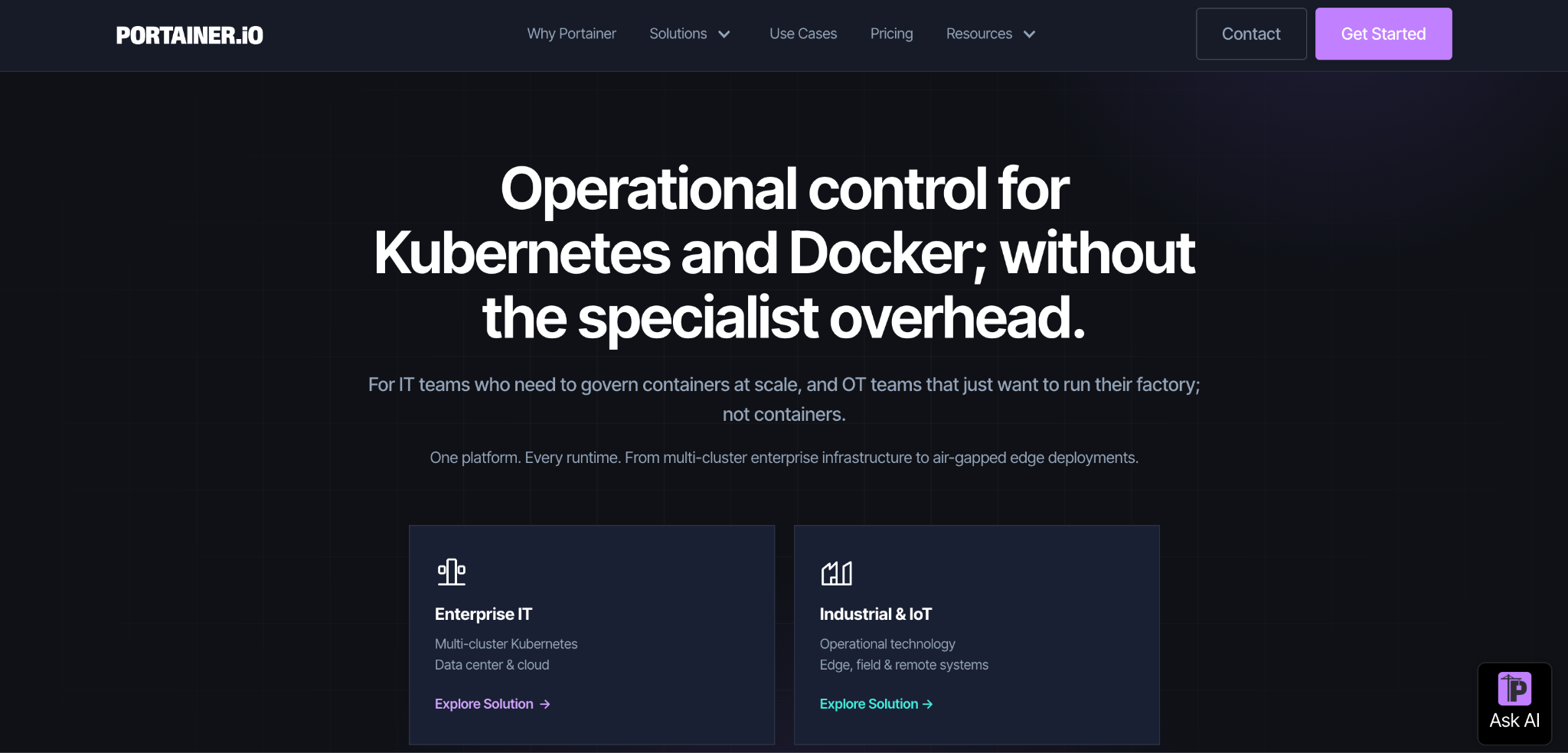
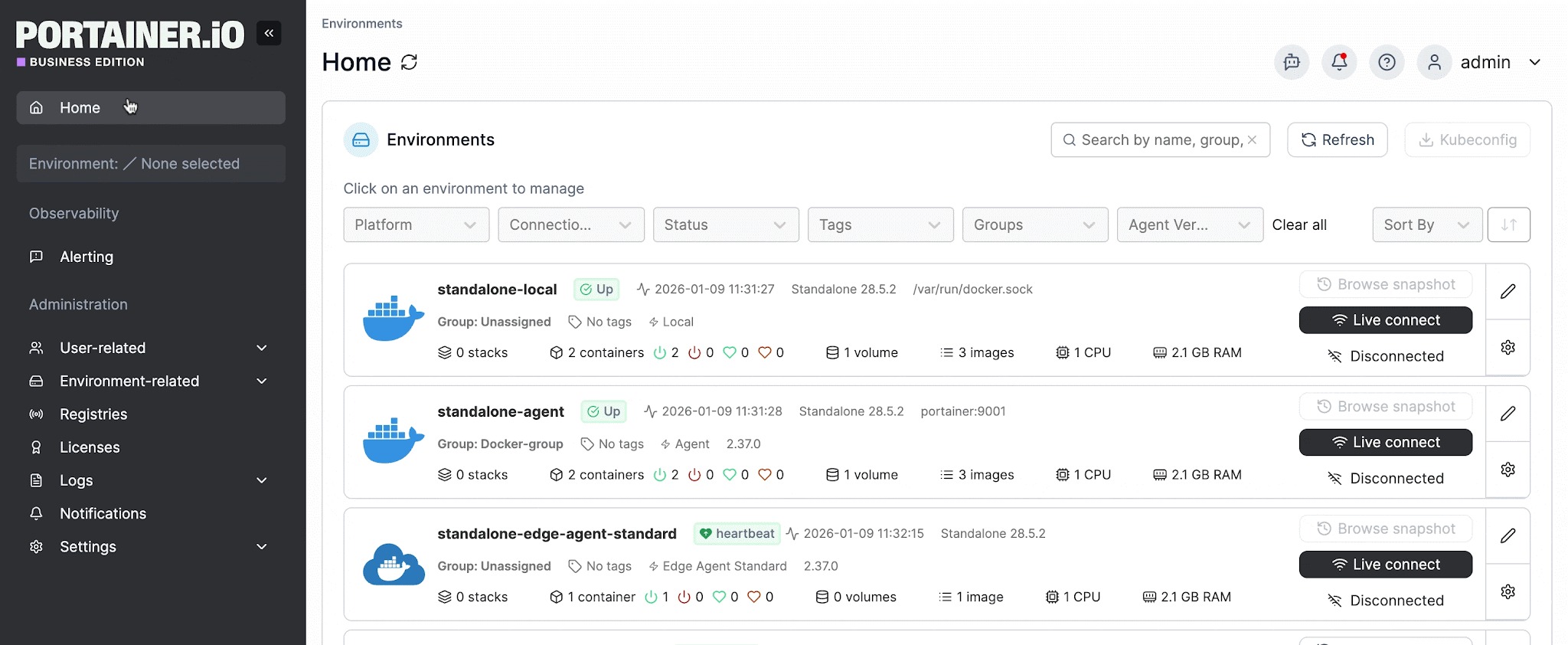
Portainer governs the fastest-growing and least-visible surface of shadow IT: container and Kubernetes infrastructure.
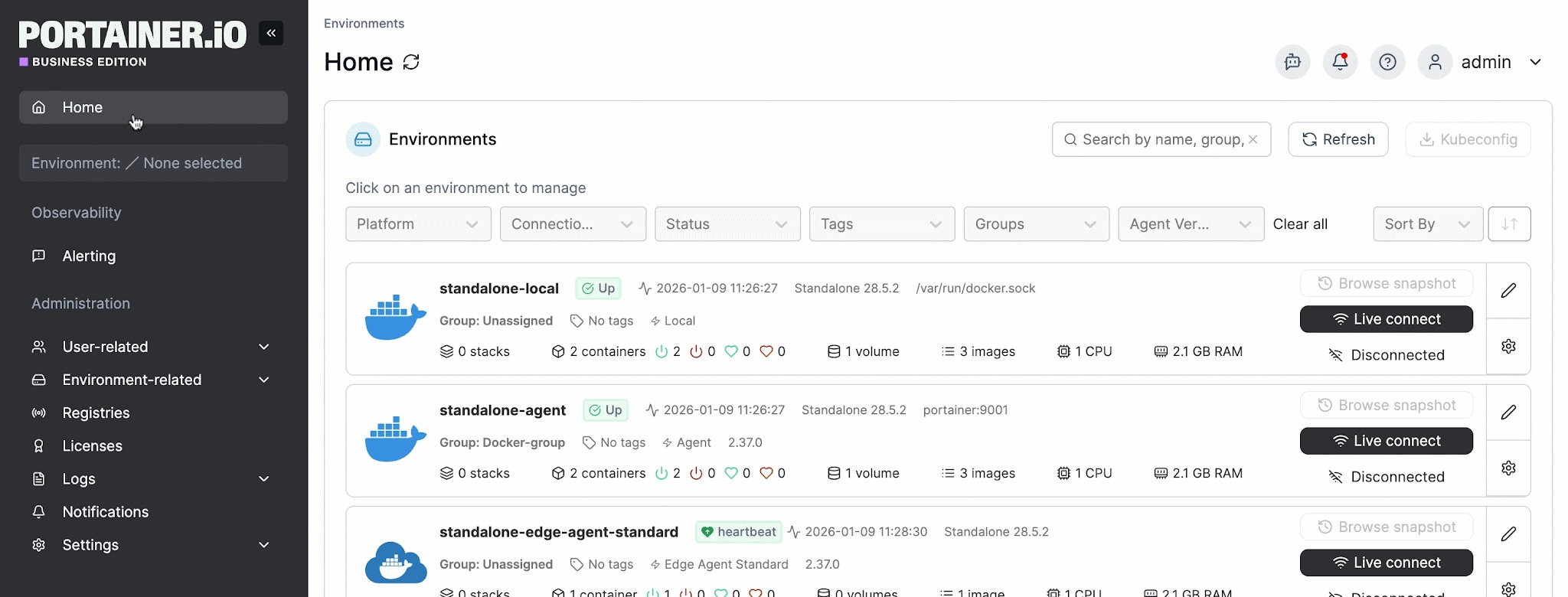
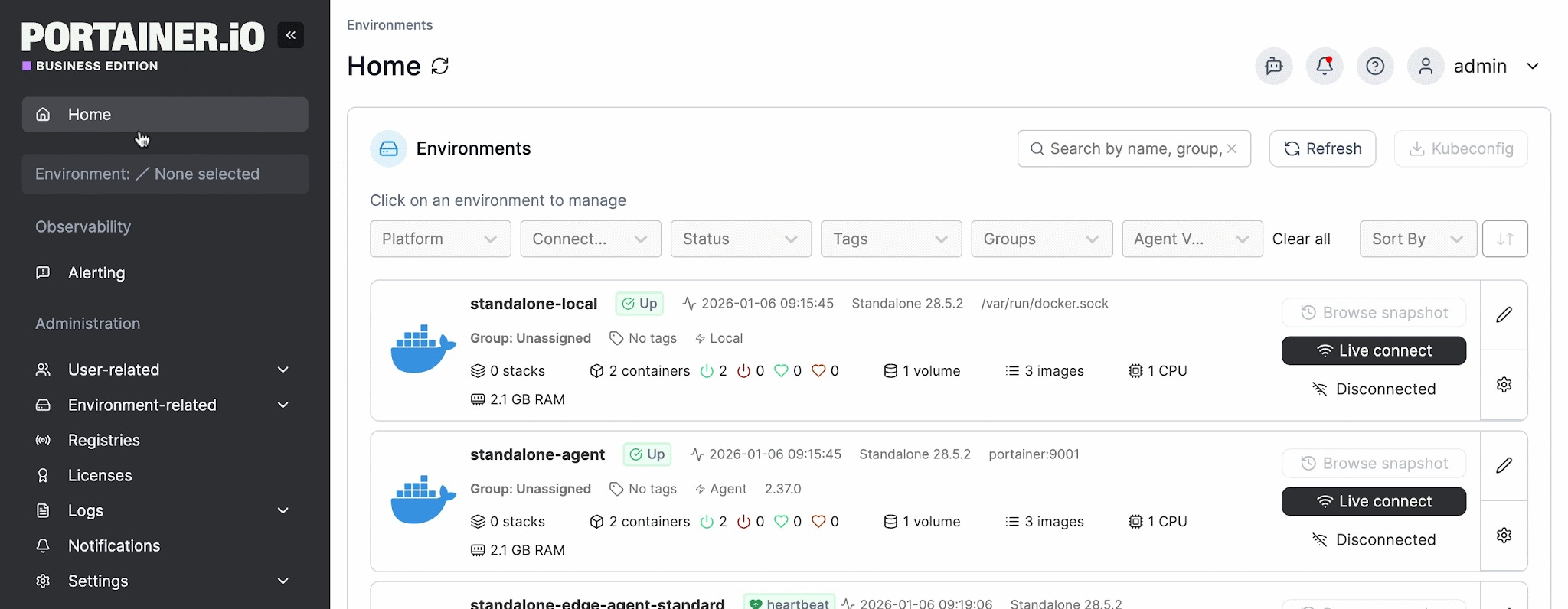
It gives IT a single self-hosted control plane across every Docker and Kubernetes environment in the cloud, on-premise, or at the edge, bringing the unmanaged clusters and containers that teams spin up outside official tooling back under central governance.
Portainer-Run extends this to the newest surface, AI-generated apps. It gives non-technical business users a governed place to deploy the “vibe-coded” applications they build onto the company’s own Kubernetes, so work created outside IT still reaches production through IT’s controls.
Where standard Portainer covers the whole container estate, Portainer-Run targets this one high-growth source of shadow deployments specifically.
Key Features
- Centralized visibility across every Docker and Kubernetes environment from one console
- Role-based access control with SSO, LDAP, and OIDC integration
- Policy enforcement with resource quotas and OPA Gatekeeper support
- Centralized GitOps engine with promotion workflows and rollback
- Edge and air-gapped support through KubeSolo for remote sites
- Full audit logging that streams to your existing SIEM
Best For
- Enterprise IT teams without Kubernetes specialists who still need to govern containers safely
- Regulated industries like finance, healthcare, manufacturing, and government
- Distributed and edge operations running workloads across many sites
- Platform teams fighting container sprawl across the business
- Businesses adopting AI-built apps that need a governed deployment path
Close your container blind spots
2. Microsoft Defender for Cloud Apps: Best for Discovering and Blocking Unsanctioned SaaS
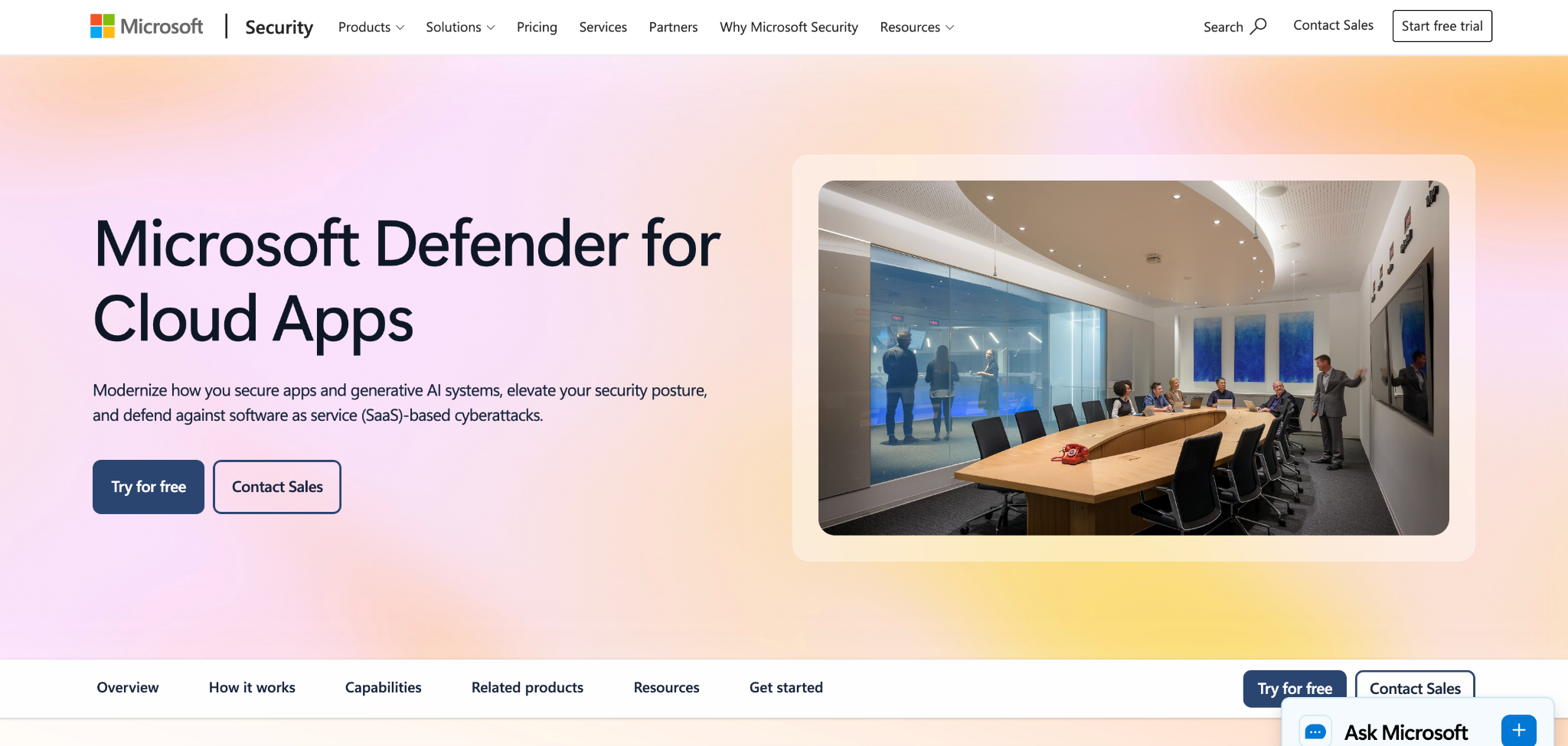
Microsoft Defender for Cloud Apps is a cloud access security broker (CASB) that finds and controls the SaaS applications employees use without approval.
Its Cloud Discovery engine analyzes traffic logs against a catalog of 31,000+ cloud apps and scores each on over 90 risk factors, giving security teams a ranked view of what’s actually running across the organization.
From there, teams tag apps as sanctioned or unsanctioned and block the risky ones automatically through Defender for Endpoint, with the same discovery now extending to shadow AI tools that handle company data without review. For organizations already on Microsoft 365, it delivers this without a separate appliance or agent, which makes it the lowest-friction option for teams inside that ecosystem.
3. Zylo: Best for Reclaiming Shadow SaaS Spend
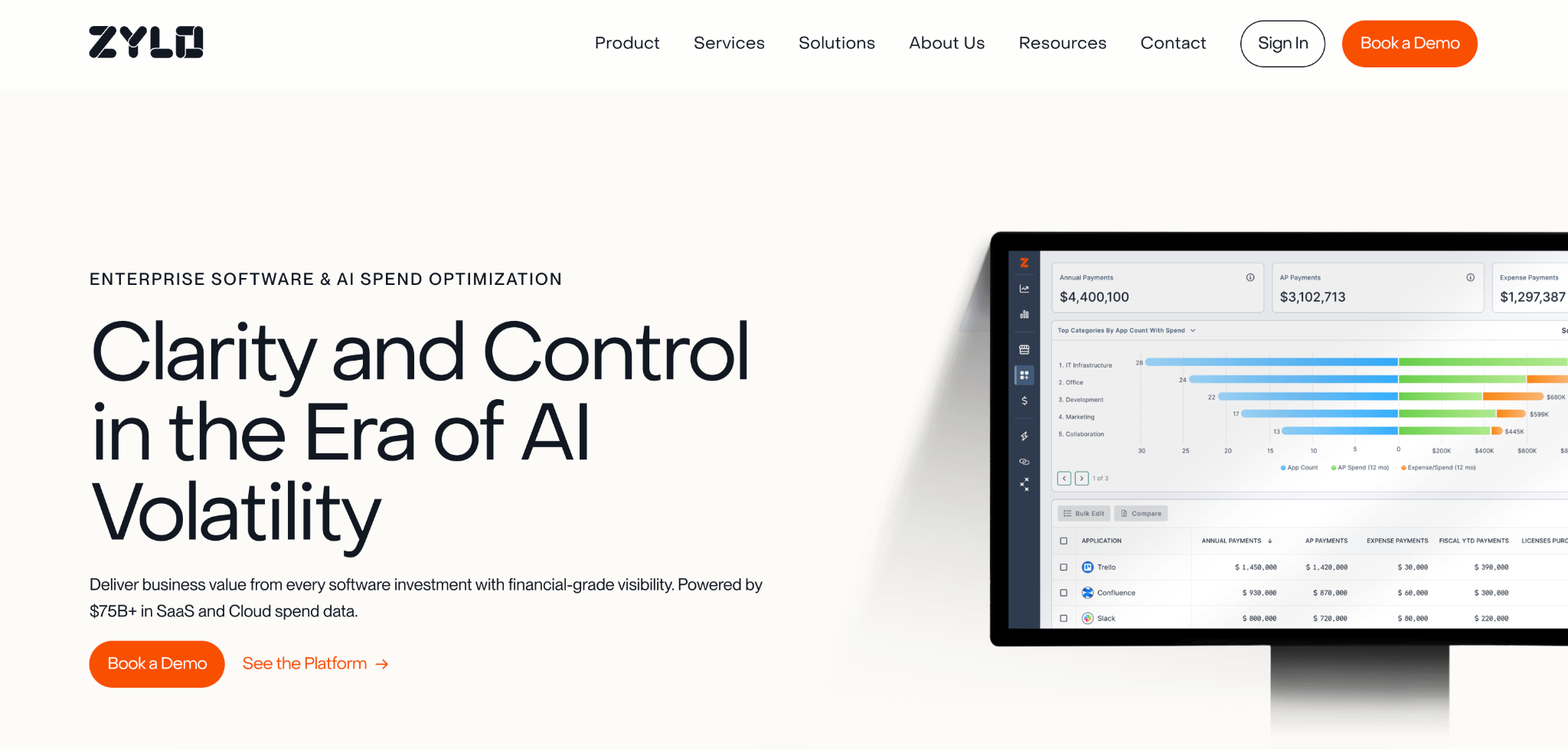
Zylo finds shadow IT by following the money, catching SaaS that never passed through IT or SSO. Named a Leader in the 2026 Gartner Magic Quadrant for SaaS Management Platforms, it uses financial discovery across expense reports, invoices, and accounts payable to surface applications bought outside procurement, including roughly half of software purchases that get miscategorized in expense data.
Once those apps are visible, Zylo tracks license utilization, flags redundant tools, and manages renewals so teams can cut waste and consolidate duplicates. For finance and IT leaders who care most about the cost and inventory side of shadow IT, it turns scattered spend into one trusted system of record.
4. runZero: Best for Finding Unmanaged Devices Across IT, OT, and IoT
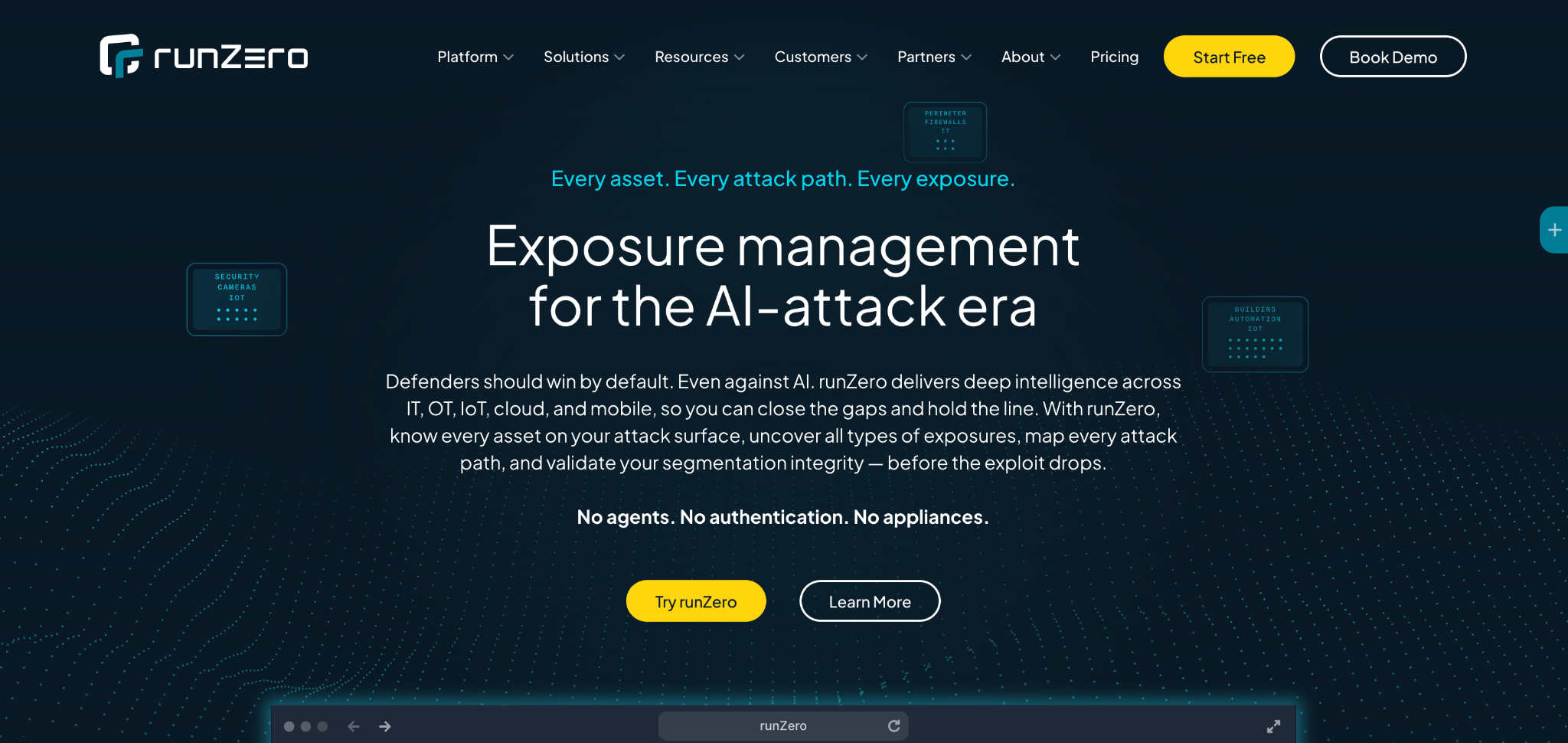
runZero covers the hardware layer that SaaS and spend tools can’t see. It runs agentless, unauthenticated network scanning to map every connected asset across IT, OT, IoT, and cloud environments, including rogue, orphaned, and forgotten devices missing from any inventory.
It fingerprints each asset against nearly 1,000 attributes, so teams learn not just that a device exists but what it is and how exposed it leaves them. The results are often larger than expected, with one university surfacing 15,000 previously unknown assets, which is why runZero suits security teams that need a baseline of everything on the network.
Shadow IT Management Checklist for IT Leaders
If you’re an IT or security leader trying to bring shadow IT under control, use this checklist to move from scattered tools to a governed environment. Every item is a concrete action you can assign, track, and check off, grouped by urgency.
Establish Visibility
- Pull 12 months of expense and card data and flag every software or cloud charge that skipped procurement
- Connect your discovery sources into one feed, including SSO, network scans, CASB, and finance data
- Map every container, cluster, and cloud workload, including the ones running outside sanctioned tooling
- Hold it all in one register that finance, security, and IT read from the same view
Reduce Exposure
- Tier tools by data sensitivity so the handful touching regulated data rise to the top
- Act on the top tier first by retiring, securing, or migrating before touching low-risk apps
- Review third-party integrations and OAuth grants connected to your core systems
- Lock access behind SSO and RBAC on everything you decide to keep
- Give teams a faster sanctioned route with a published request SLA
Sustain Governance
- Name an owner for every kept system who is accountable for its patching and lifecycle
- Tie access revocation to offboarding so departing staff don't leave live accounts behind
- Trade annual audits for always-on monitoring with alerts on anything new
- Put shadow IT on the leadership agenda by reporting discovered apps, spend, and unowned systems each quarter
- Run an amnesty channel so people report the tools they use instead of hiding them
Bring Shadow Containers Under Control with Portainer
Every stage of managing shadow IT depends on visibility first, since discovery, prioritization, access, and control all fall apart without it.
The container and Kubernetes layer is where visibility is hardest to achieve and where shadow IT is now growing fastest. This is the exact gap Portainer is built to close.
Portainer gives IT a single self-hosted control plane across all Docker and Kubernetes environments, replacing ungoverned clusters with centralized visibility, role-based access control, and consistent policies. Portainer-Run carries the same governance to the AI-built apps business users now deploy on their own, so the whole container estate stays visible and compliant as it grows.
Want to see it in action? Schedule a demo and bring all container environments under a single, governed view.
FAQs
1. How do you manage shadow IT?
To manage shadow IT, start by discovering every tool and workload in use, then rank them by risk, enforce access controls, and monitor continuously for anything new. The goal is to bring unsanctioned tools back under central governance without slowing teams down.
2. What is a shadow IT system?
A shadow IT system is any hardware, software, or service used inside an organization without the IT department's knowledge or approval.
3. What tools can help manage shadow IT?
No single tool covers all of shadow IT, so most teams combine a few. Portainer governs shadow containers and Kubernetes infrastructure, while a CASB like Microsoft Defender for Cloud Apps discovers and blocks unsanctioned SaaS. Together, they cover the infrastructure and application surfaces where shadow IT hides.
4. What is the difference between shadow IT and shadow AI?
Shadow AI is a subset of shadow IT. It refers to AI tools used without IT approval, adding the risk of data leaving for external models.
5. Who is responsible for managing shadow IT?
The primary responsibility sits with IT and security leadership, who own visibility and governance. In practice, managing it well is shared with finance, procurement, and the department heads who drive most tool adoption.